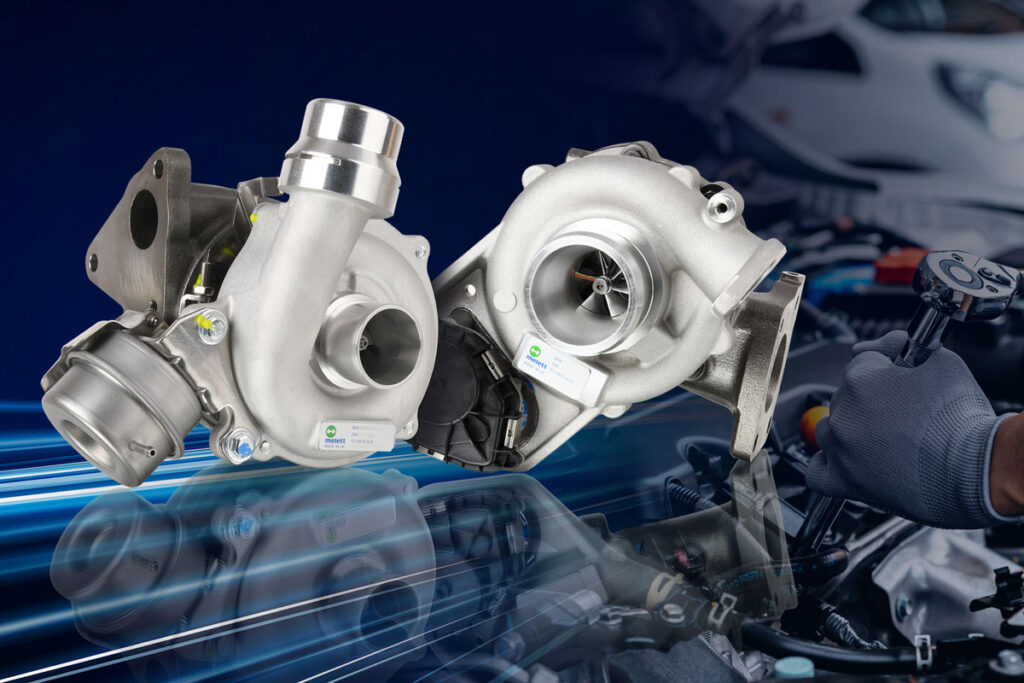
Turbochargers play a vital role in modern vehicle performance, boosting efficiency, fuel economy, and emissions control. Yet the aftermarket is still shaped by long‑standing misconceptions that can lead to unnecessary replacements, misdiagnoses, and added costs. To help bring clarity, Melett has compiled a straightforward FAQ tackling the most common turbocharger myths, separating fact from fiction and giving workshops and drivers the information they need to make confident, informed decisions.
Q1: Should I repair or replace a turbocharger?
Whether to repair or replace is often a matter of choice.
Turbo repair or remanufacture is a proven, reliable, and cost‑effective option. When a turbo is professionally rebuilt using OE‑quality components, it can deliver high performance at a fraction of the cost of a new unit. For workshops and vehicle owners alike, it provides excellent value without compromising on quality.
Repair and remanufacture also deliver clear sustainability benefits. Reusing the existing turbo housing and major structures reduces waste, lowers material consumption, and minimises the environmental impact associated with manufacturing new units.
However, when repair isn’t viable, when turnaround time is the priority, or simply when the customer or workshop prefers a replacement option, high‑quality aftermarket units provide a fast, dependable solution. They offer consistent performance, immediate availability, and a reliable alternative when repair isn’t the most practical route.
Q2: Do I need to use a brand‑new OE replacement?
No, you don’t need a brand‑new OE turbocharger to achieve OE‑level reliability. High‑quality aftermarket replacements — whether repaired, remanufactured, or new — can match the performance of an OE turbo when built and installed correctly.
A professionally remanufactured turbo using OE‑quality components offers a dependable, cost‑effective alternative, delivering comparable performance while also providing clear sustainability benefits through the reuse of existing components.
Q3: Where should I get a turbo repaired?
Turbo repair should always be carried out by a specialist with the appropriate skills, equipment, and experience. Turbochargers operate under extreme conditions, so accurate fault diagnosis, precision machining, correct balancing, and clean assembly procedures are essential to achieving a reliable outcome.
Alongside specialist expertise, the quality of the components used in the repair is equally important. Reputable turbo rebuilders rely on well‑engineered parts that allow them to work to consistent standards. Products such as Melett CHRAs and components are designed to support this professional repair process, giving specialists access to parts manufactured to tight tolerances and suitable for repeatable, high‑quality rebuilds.
By choosing a recognised turbo repair specialist who uses reliable, OE‑quality components, workshops and vehicle owners can ensure the repaired turbocharger is restored to a high and consistent standard.
Q4: Do turbochargers need servicing?
No, turbochargers don’t require dedicated servicing themselves, but they rely heavily on the overall condition of the engine. Their long‑term reliability depends on correct fitment and proper vehicle maintenance — just like any other major component.
Timely oil changes, clean air filtration, and ensuring oil and air pipework is free from leaks, blockages, or damage are essential. Issues such as oil starvation, contamination, or foreign‑object damage usually originate from the engine system rather than the turbo, but they can still lead to premature turbo failure if not addressed.
Conclusion
As the turbocharger market continues to evolve, Melett remains committed to supporting the industry by equipping turbo specialists with the technical support and OE‑quality components needed to deliver dependable, repeatable repairs. By maintaining strong engineering standards, providing practical guidance, and investing in ongoing product development, Melett ensures specialists have the resources required to meet modern turbocharger demands. The company’s goal is to help the aftermarket navigate increasing system complexity and ensure that repair and remanufacture remain trusted, sustainable options well into the future.